

Feeling upside down? Here’s how a lack of fresh air might be affecting you.
Ok, let’s cut to the chase. You’re probably reading this because you’re feeling tired, unfocused, groggy, irritable, have a headache or you just got a 🐤 Birdie® and want to know more about the problem it’s solving. In any case, you want to know why you’re feeling this way, or how to avoid these symptoms altogether.
Why should I care?
The air you breathe has a huge impact on your health, just like what you eat, drink, or how much you move. And since most people spend over 90% of their time indoors, your indoor climate matters even more to your wellbeing than you might think.
To break it down, each breath you take contains mostly nitrogen (harmless), some oxygen (mmm’ good), and a tiny bit of carbon dioxide/CO₂ (a little is fine, a lot isn’t). Indoors, CO₂ builds up because it has nowhere to go, unlike outside, where it disperses easily. This is usually what people mean when they say “stale air”.
How much CO₂ is too much CO₂?
CO₂ is measured in “ppm”/parts per million. You don’t need to remember too many numbers, just know that “too much” is generally considered to be anything above 1000ppm. And there’s a couple ways you can tell if you’ve passed this threshold: 1. if you own a Birdie®, and 2. you’ll be able to feel it eventually with tiredness, brain fog, or a headache. (relying on yourself to sense the air quality is like predicting the weather by licking your finger and holding it up to the wind — possible, but wildly unreliable.)
The science behind this is that when there’s too much CO₂ in the air, it throws your body off balance. CO₂ is what’s called an asphyxiant, simply meaning it displaces oxygen. As a consequence of high CO₂ levels in your air, your brain then can’t use oxygen as well, so you start to feel tired, foggy, or just off; even if you're breathing normally. So, exposing yourself to stale air leaves you feeling not yourself, regardless of if you slept, ate, and drank fine.
CO₂ and its impact on a good night’s sleep
A 2024 study found that when average indoor CO₂ levels rose from 750 ppm to 1,000 ppm or above, sleep quality dipped noticeably: resulting in fewer minutes of deep sleep, more time awake, and even elevated stress markers like cortisol in the morning. And that study isn’t the only one of its kind; scientists and researchers widely agree that fresh air is essential for high-quality sleep.
“People tend to sleep and feel better the next day when they sleep in a well‑ventilated environment.” - Dr. Pawel Wargocki, Indoor Climate Expert, Technical University of Denmark.
How fresh air improves productivity
Understanding that fresh air keeps CO₂ levels low can help you perform better at your work or hobbies. A well cited study conducted on plane pilots by Harvard T.H. Chan School of Public Health found that they were 52% more likely to successfully complete simulated flight maneuvers when CO₂ levels were at relatively normal levels (~700 ppm) compared to elevated levels (~1,500 ppm).
Air’s impact on our wellbeing
The fresher the air, the fresher your outlook on life. No, seriously. According to The World Green Building Council, fresh air supports both your immune system and your mind. And although it’s not a fix-all, the science is clear that fresh air helps you feel better both physically and mentally, with fewer illnesses and improved mood as widely documented outcomes.
So how do I get more fresh air?
Great question. It’s easy to bring fresh air into your life. Here are just a few of the many things you can do:
🪟Open those windows, even for just a few minutes. Once the fresh air is back inside, the difference can be night and day, take some deep breaths and you’ll feel it.
It’s easy to forget to open windows
Even when we know fresh air matters, it can easily slip our minds. You’re busy, feeling lazy or maybe the weather turns cold or rainy. Before you know it, hours/days of stale air build up and by then, your body is already feeling the fatigue.
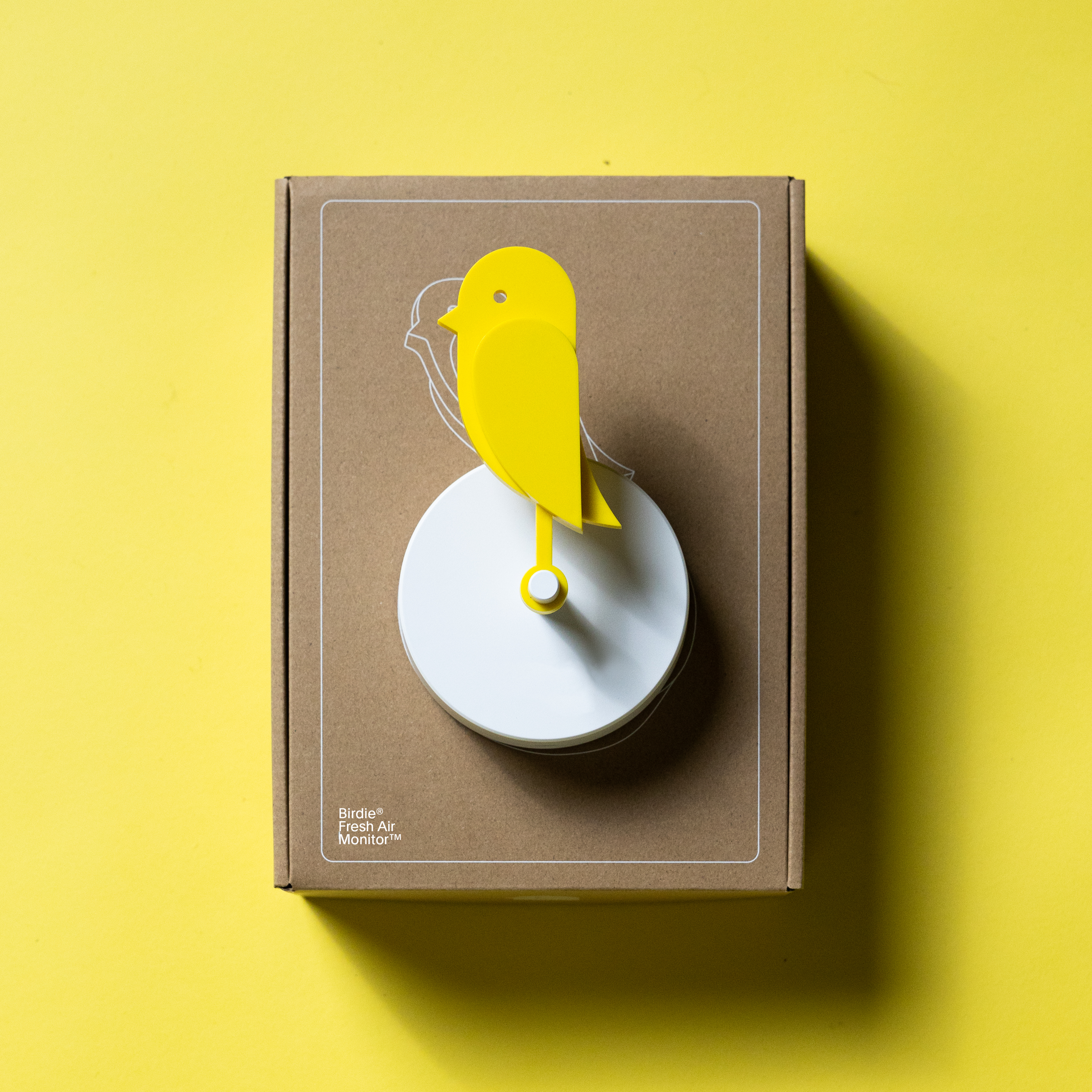
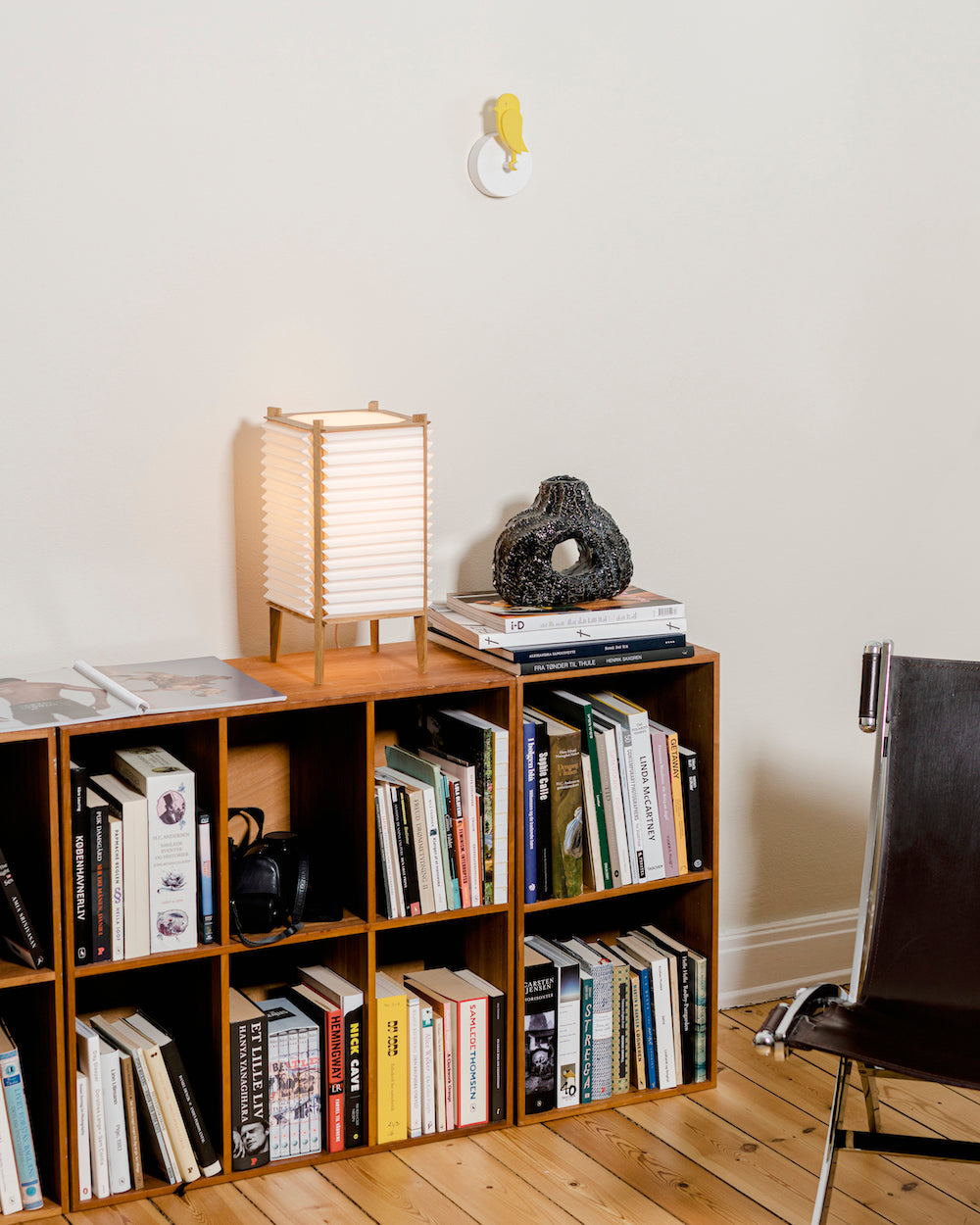
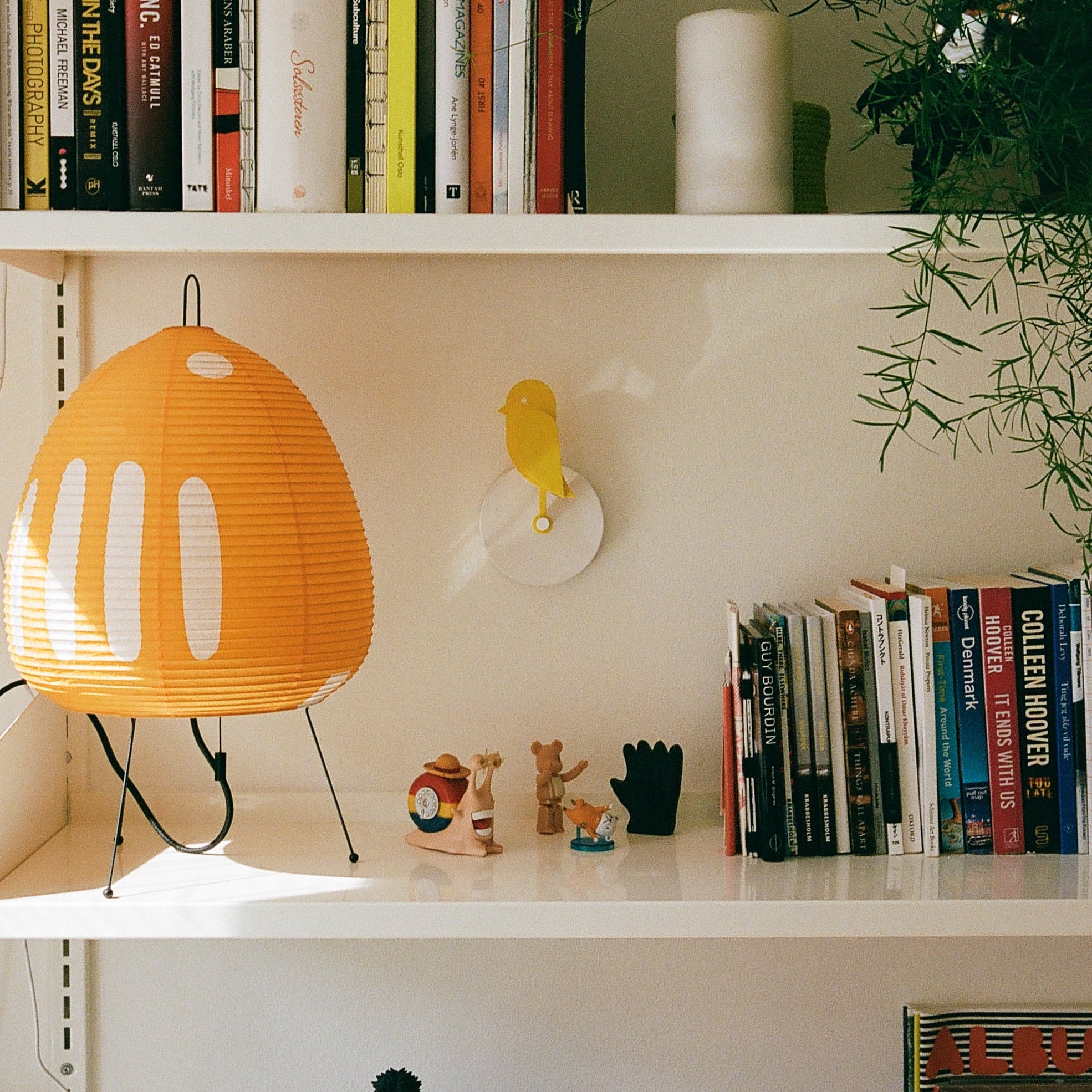
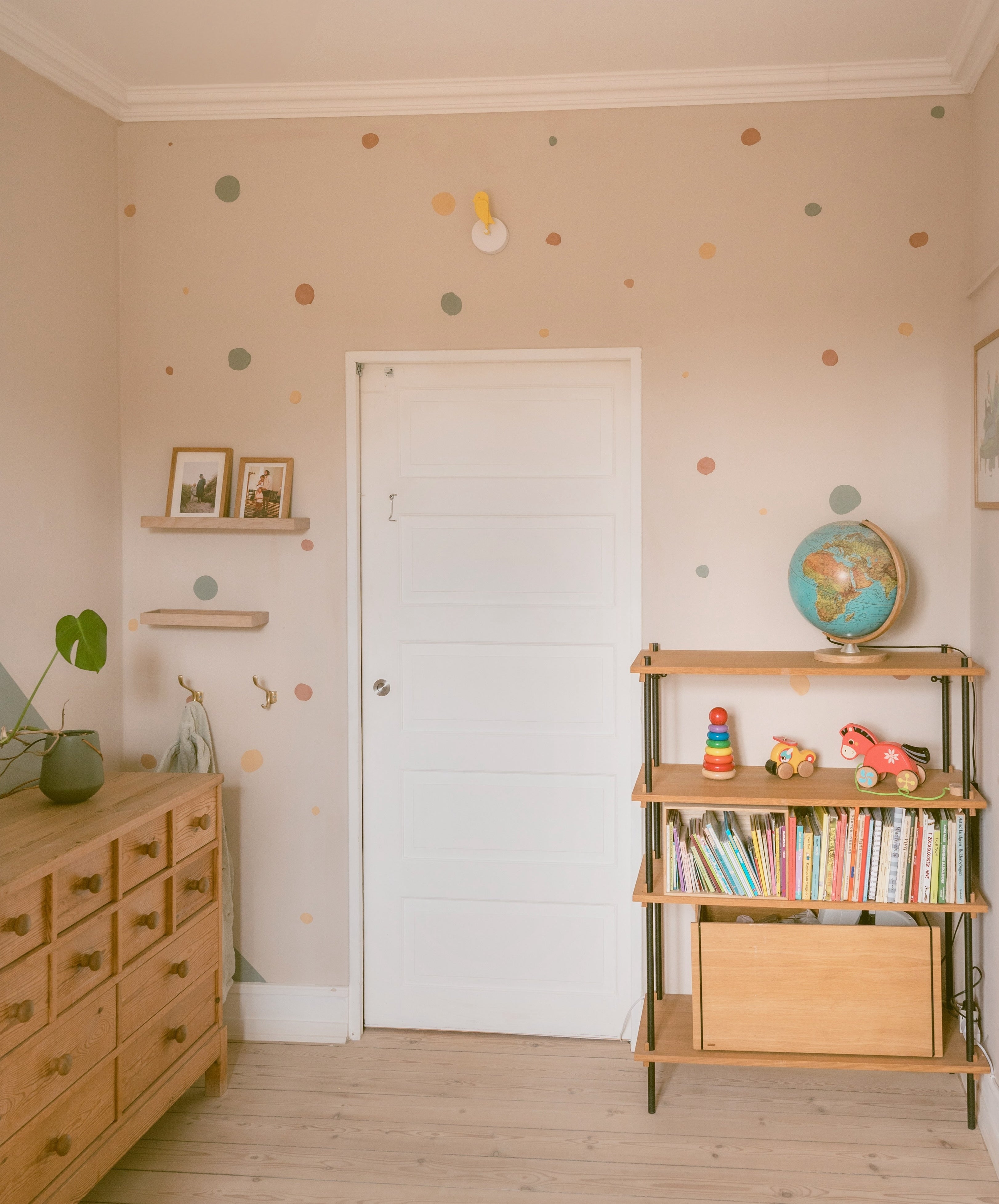
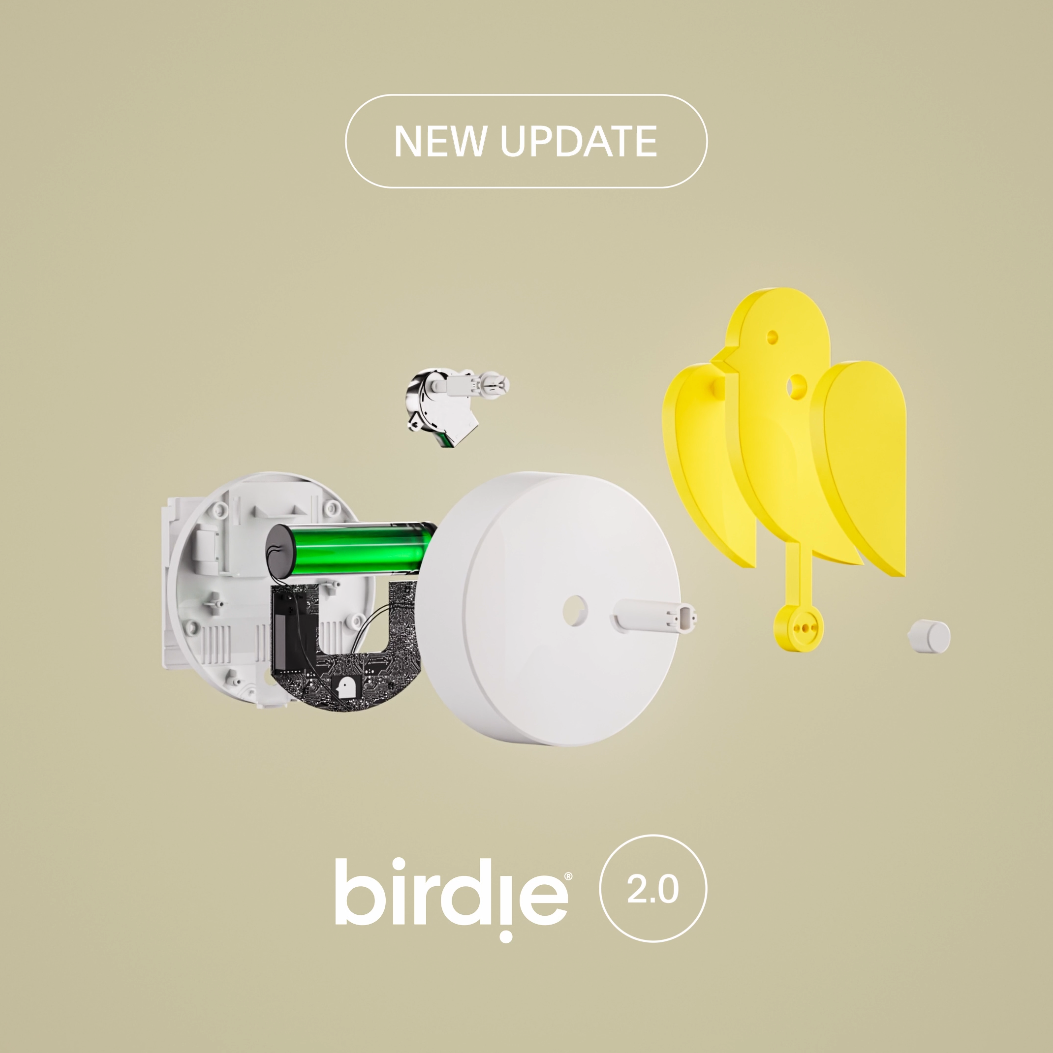
Thankfully, there’s a solution that ensures you build lasting habits and always get the fresh air your body needs, without just leaving the windows open all the time. Birdie® is a Danish designed fresh air monitor inspired by the canary in a coal mine. A friendly and stylish reminder of when to freshen your indoor climate.
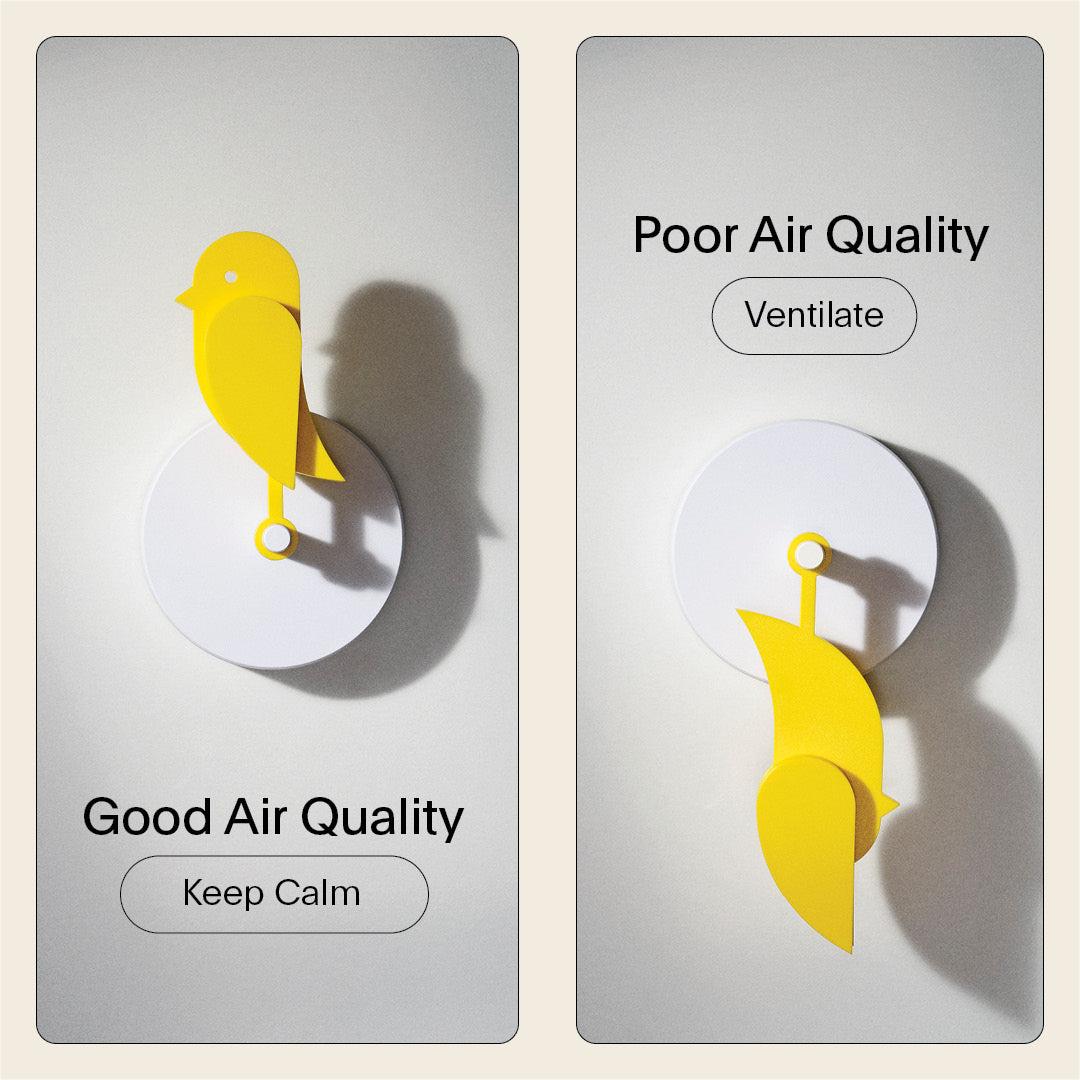
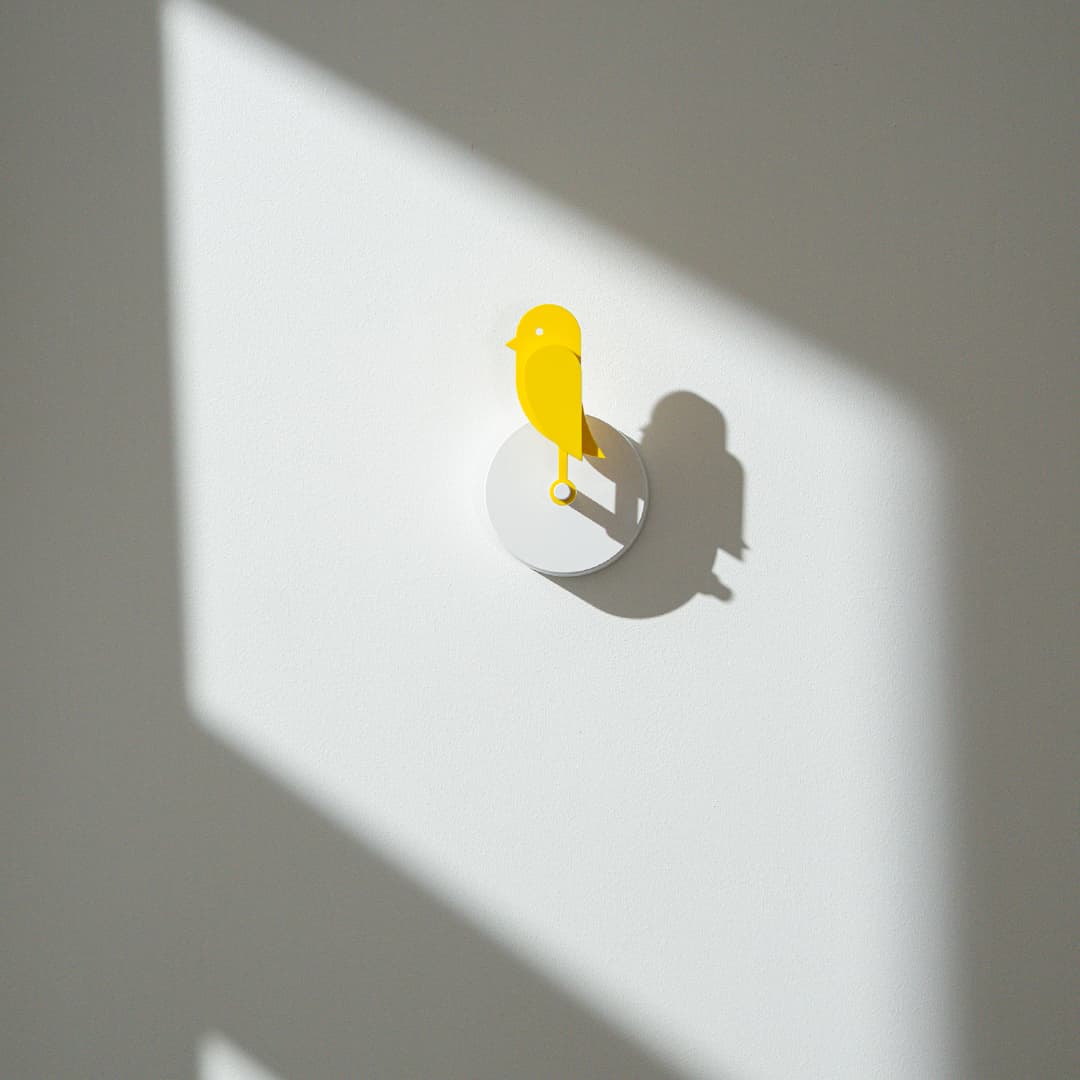
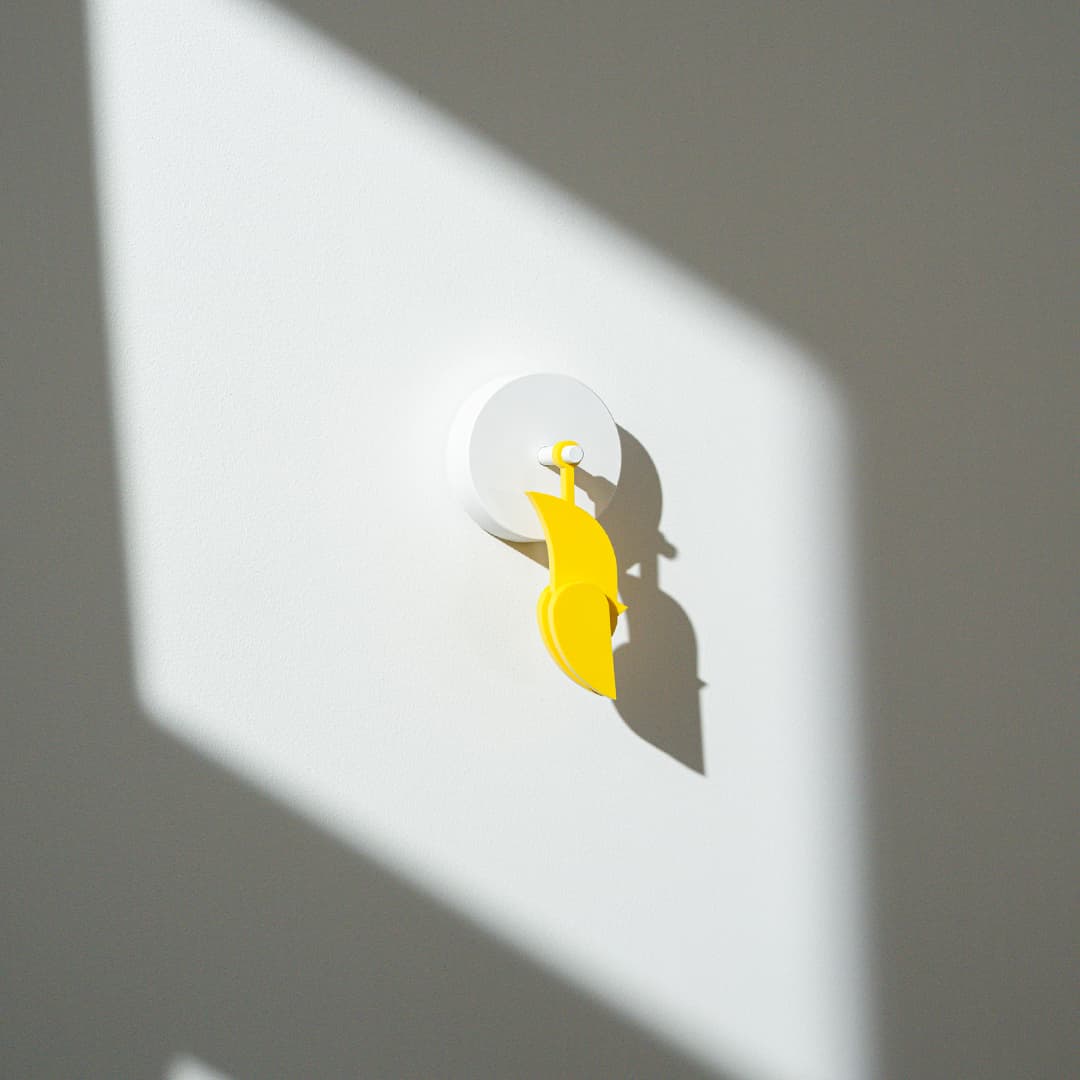
Using it is simple; when your indoor climate is good Birdie will stand upright, when it’s not good your Birdie will drop down showing you it's time to ventilate your space with some fresh air. Once enough fresh air has come inside, the Birdie will come back to life standing upright again and you can close your windows when you’d like. It’s not just a phone notification from yet another health app, but a visually striking and habit building reminder that ensures your indoor climate is always as good as you deserve, not only when you’re actively thinking about it.
But it’s cold outside, what if I don’t want to let the heat out?
That’s a valid concern, heating can be expensive, and you don’t want to keep windows or doors wide open all day. But here's the crazy thing: notventilating can actually cost you more in the long run. That’s because humid, stale air absorbs more heat from the air, making it slower, and more expensive to warm up your home. So, even in the depths of winter, a quick burst of fresh air for 5 to 10 minutes a few times a day refreshes your indoor climate, keeps humidity in check, and helps save on heating bills.
💡Tip from Birdie: Open a window and then do a quick task while the fresh air circulates; pop the kettle on, stretch, take out the trash, brush your teeth, or knit a few rows of that sweater. By the time you’re done 15 minutes later, your room will have had a good blast of fresh air, and you’ll stay cozy without turning your place into an igloo. Birdie® is a friendly reminder of when to ventilate your home so you never miss a chance to feel fresher and more energetic.
🪟💨🪟 Open multiple windows to keep air circulating and your indoor climate fresh. Not only does this speed up the ventilation process, but it’s also the quickest way to get rid of any unwanted smells in your space if that’s what you’re after. Additionally, a fan (preferably an electric one) can also be a great way to keep the air moving so you feel better, faster.
🌿Plants do help (a bit), and the more the merrier. But don’t think that’s a replacement for proper ventilation, it’s not. However, plants are a great way to balance humidity levels as well, they do remove some CO₂, and they’re good for the brain.
🏞️Get outside. Cosy indoor spaces are great, and of course we need to spend a lot of time indoors in modern life. But every minute spent in fresh air, natural light, or a bit of greenery is a bonus, it all adds up. Of course, that’s easier said than done when it’s freezing and the rain’s pouring down.
A final reminder
The best way to keep your mood steady, stay alert, and sleep well is to make sure the air you’re breathing is always fresh enough, which prevents symptoms before they even start. Or if you prefer more scientific language, this is how an air quality expert explains the concept:
“Keeping CO₂ low is crucial because once symptoms like drowsiness set in, your brain is already impaired.” - Dr. Joseph Allen, Public Health Professor at Harvard

How Birdie® makes getting fresh air easier
Birdie® is a fresh air monitor. Silent, stylish, and a friendly reminder to freshen up your indoor climate. Equipped with Swiss CO₂ sensor technology wrapped in Danish award-winning design, Birdie is inspired by the canary in the coal mine. It gently drops when indoor CO₂ levels rise too high, which is your signal to ventilate by opening a window or door. When Birdie’s back upright, your air is fresh and you’re all good.
What is a good indoor climate?
In scientific terms, a good indoor climate maintains CO₂ below 1,000 ppm, temperature around 20–23 °C or around 17°C while sleeping, humidity between 40–60%, low pollen levels, and minimal outdoor pollution getting indoors. But in human terms, a good indoor climate is a great feeling and a rejuvenating space where you experience clarity, comfort, and a sense of ease. It’s normal to get caught up in day-to-day life and forget how invisible factors like CO₂, temperature, and humidity affect how we feel; out of sight after all, means out of mind. Birdie® helps remind you to keep both your indoor climate and yourself fresh.