

Written by Hans Augustenborg
November 5th, 2025 — 3 minute reading time

What is pollen, and why does it trigger allergies?
Pollen refers to tiny reproductive particles released by plants, tree’s, weeds, or carried by bees. In response to inhaling these particles your body releases a chemical called histamine, which is why you’ve possibly heard the term anti-histamine in regards to pollen allergies. Histamine isn’t a bad chemical, it’s your body's way of trying to fight infection and regulate your organs.
How do I know I’m allergic to pollen?
If any time during the months of March to September (pollen season) you experience recurring symptoms like laboured breathing, sneezing, a runny or even blocked nose, itchy eyes, or an irritated throat or ears then odds are you have a pollen allergy or what’s also commonly called “Hay fever”. Up to 40% of children and between 20-30% of adults are allergic to pollen and it varies in its severity.
How do I avoid pollen?
By going outside you always run the risk of running into pollen. But it's useful to know that pollen types peak at different times of the year. Tree pollen is highest in early spring (March–May), flower pollen in late spring to summer (May–July), and weed pollen in late summer to early fall (August–September). You might only be allergic to one or two of these pollen types so it’s worth investigating which affect you. If you know there’s a pollen type around that makes descend into a sneezing fit, here are some tried and tested strategies to protect yourself from pollen:
🪟 Close windows during high pollen hours to keep allergens out of your home.
💊Take antihistamines to reduce your symptoms, different brands work differently for different people, so shop around for what suits you best.
Note: Always consult with a medical professional before starting new medication.
👕 Change and wash clothes after coming in from outside during pollen season to remove pollen that could be sticking to your skin and other fabrics.
📱Check a pollen tracker to see when levels are highest during the day and plan outdoor activities or exercise around lower-pollen times.
🌬️ Use an air purifier with a HEPA filter to help remove pollen from indoor air.
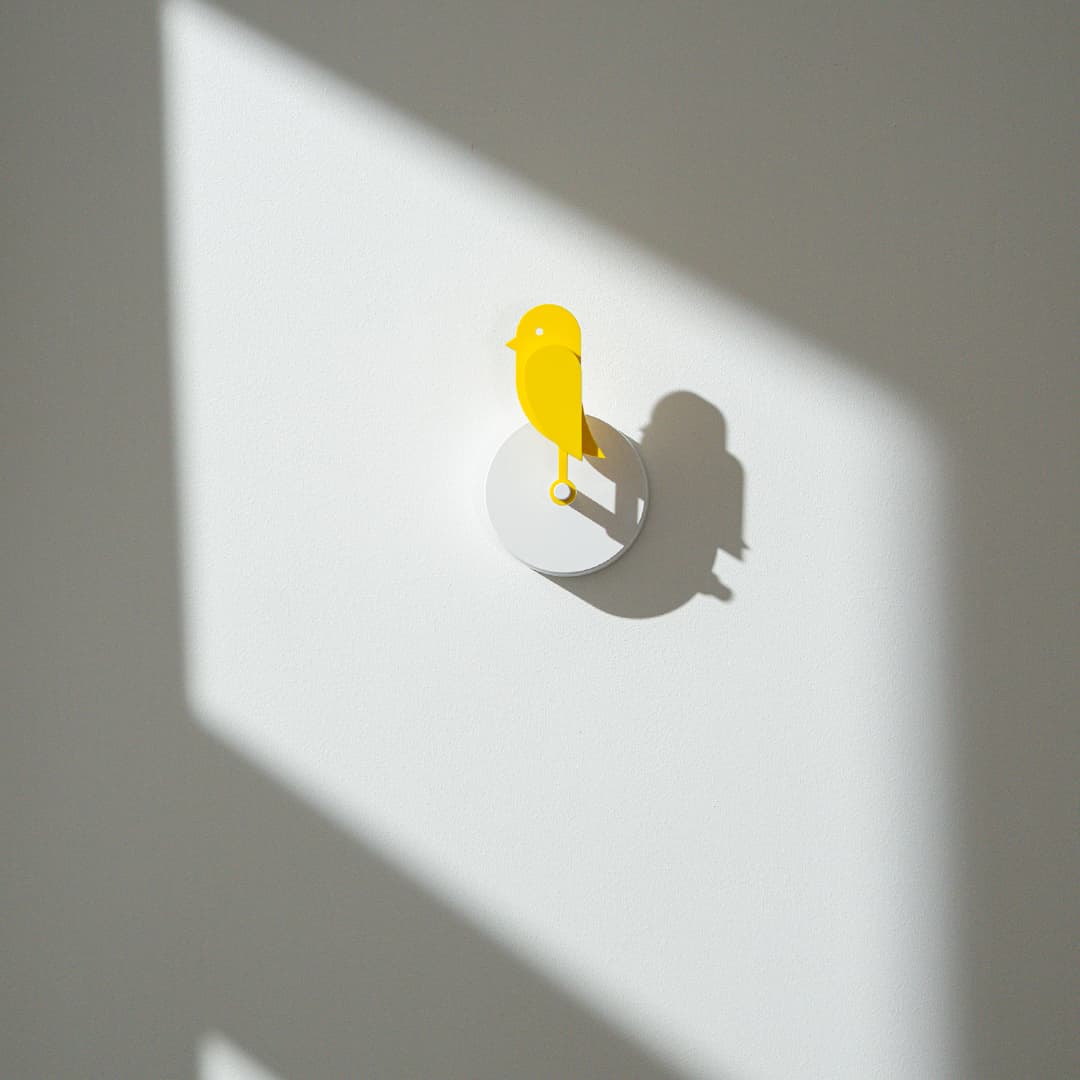
💡 Tip from Birdie: If you’re CO₂ are rising are rising because you’re trying to avoid pollen, even 10-15 mins of open windows can help refresh your indoor air without letting in too much in, especially after rain when pollen levels typically drop.
What is a good indoor climate?
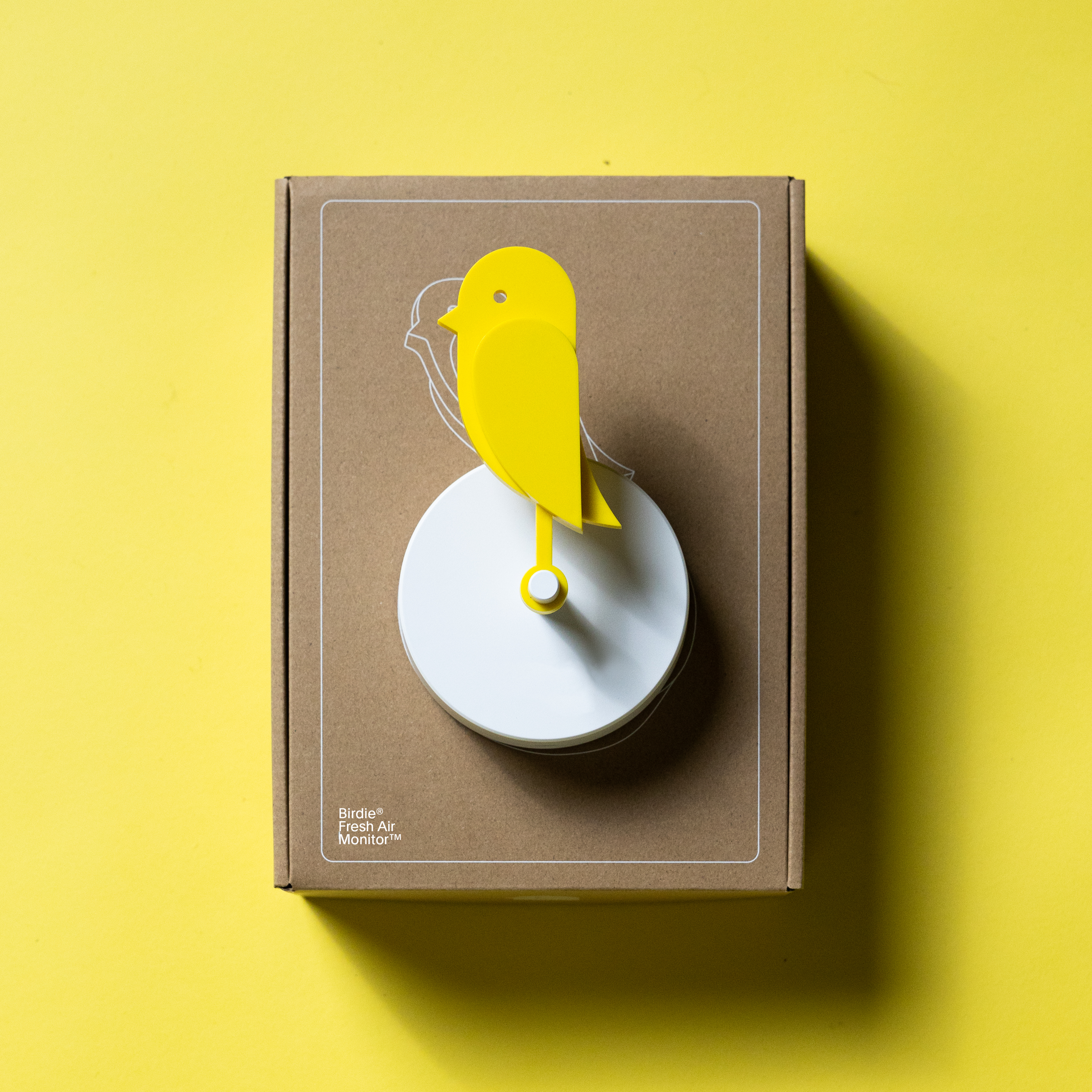
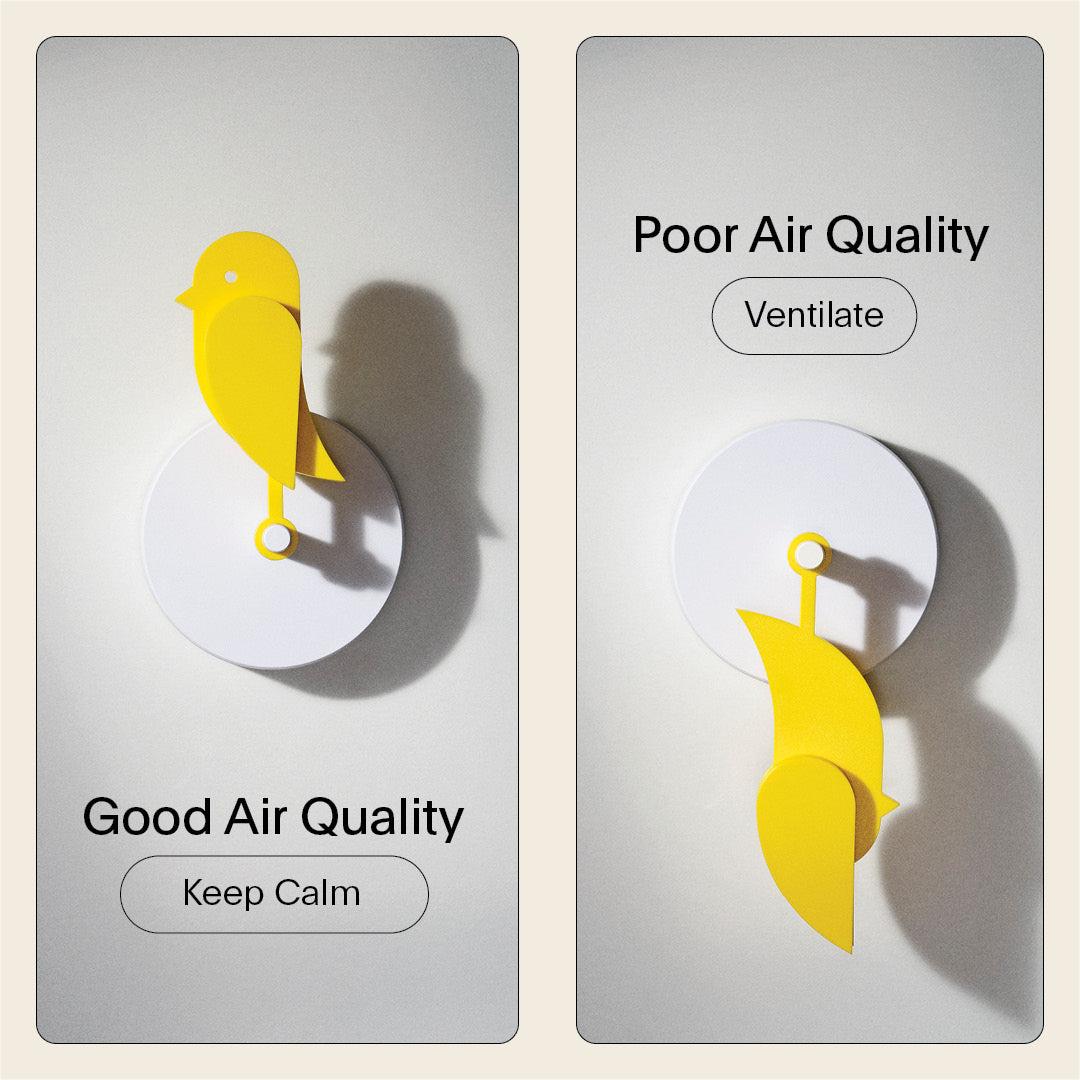
In scientific terms, a good indoor climate maintains CO₂ below 1,000 ppm, temperature around 20–23 °C or around 17°C while sleeping, humidity between 40–60%, low pollen levels, and minimal outdoor pollution getting indoors. But in human terms, a good indoor climate is a great feeling and a rejuvenating space where you experience clarity, comfort, and a sense of ease. It’s easy to get caught up in day-to-day life and forget how invisible factors like CO₂, temperature, and humidity affect how we feel; out of sight after all, means out of mind. Birdie® helps remind you to keep both your indoor climate and yourself fresh.