

How humidity affects us
Just like food, water, sleep, and movement, the air’s moisture balance has a huge impact on your health and comfort. There are two extremes you need to watch out for:
Low humidity, which can dehydrate your body, and inflame and dry mucous membranes in your nose, throat, and lungs. This makes it easier for viruses to spread and can trigger nosebleeds or worsen sinusitis.
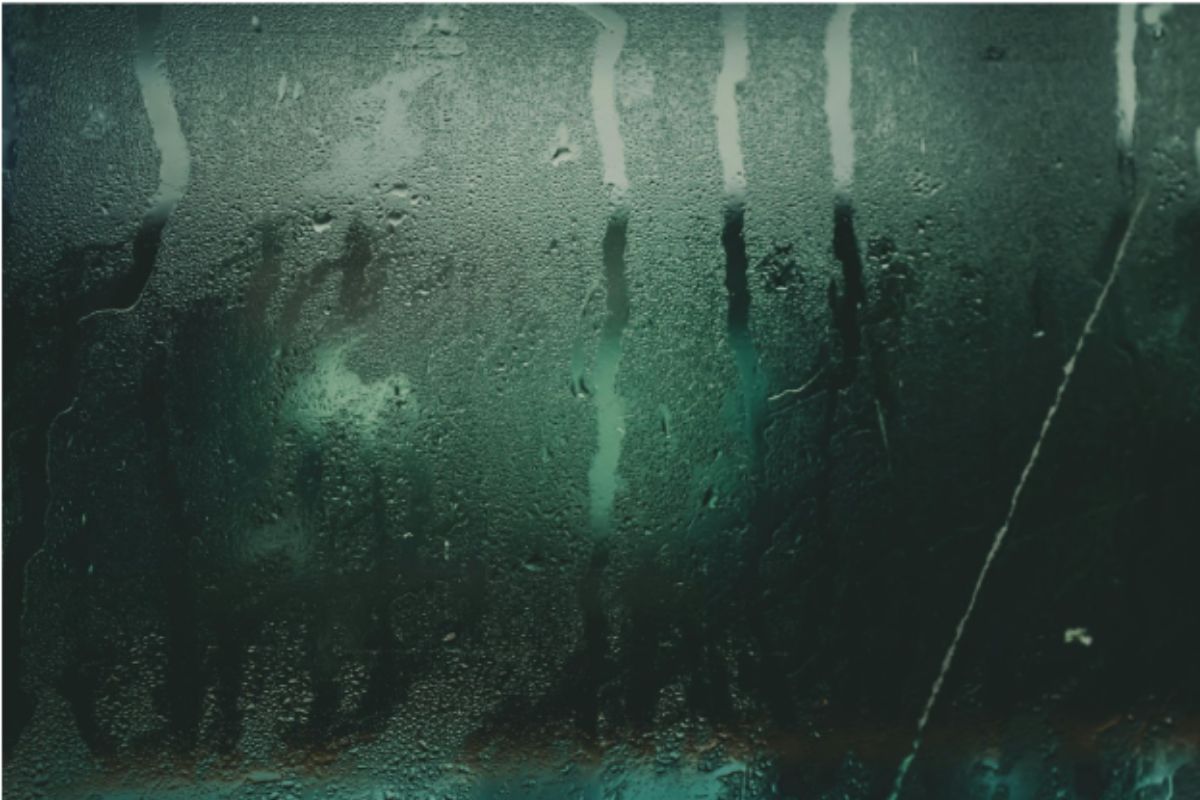
High humidity, which encourages fatigue, mold, bacteria, and dust mites, which then can trigger allergies or asthma attacks.
Both extremes force your body to work harder than it should, leaving you feeling pretty rotten. Low humidity is most common in winter, while high humidity is more common in summer or rainy seasons.
Note: Mold generally needs warmth to thrive, with optimal growth often occurring at 20–30°C (68–86°F) and 70%+ humidity. You can read more about how to prevent mold growth in our article here.
How much humidity is too much (or too little)?
Humidity is measured in %RH (relative humidity). The sweet spot is 40–60% RH:
Below 40% the air feels dry and your body gets dehydrated more quickly. Above 60% feels damp and musty, leaving your space at risk of mold, dust mites, and creates conditions for bacteria to thrive.
Humidity’s impact on sleep and mental health
Humidity doesn’t just affect your skin, it can weigh down your mind and overall wellbeing. Too dry, and you may wake up with a scratchy throat, dry nose, or nosebleeds; too damp, and you might toss while you struggle to sleep.
💡Tip from Birdie: Balance the indoor climate in your bedroom first. Since you spend the most time there, improving humidity can enhance your sleep quality, boost mental wellbeing, and help you wake up looking and feeling refreshed.
How do I naturally balance my humidity levels?
It’s better to never have a humidity problem than to constantly be battling with dry or overly damp air. Here are some simple but effective habits to ensure your indoor climate is always balanced:
- Keep the bathroom-door closed under and after showering.
- Ventilate the bathroom after a shower and the kitchen after cooking.
- Dry your clothes outside or Leave recently washed clothes to dry in low humidity spaces, outdoor drying is not an option.
- Add plants to your space and water them regularly (they release moisture naturally).
💡Tip from birdie: If you don’t know where to get started, some great indoor plants to try out are Peace lily’s, peperomias, golden pothos, aloe vera’s, and spider plants.
How do I fix my humidity levels?
The good news is that every humidity problem has a solution. Here are some of the easy ways you can balance your indoor climate.
Humidity is just the amount of water vapor floating around in the air. You can’t have zero, and you definitely don’t want too much. Like Goldilocks’ porridge, it needs to be juuuust right for you (and your home) to feel comfortable. The magic zone is between 40% and 60%, and here’s how to get there:
What to do if your air is too dry (below 40% humidity):
🫗 Drink plenty of water
💧 Use a humidifier (portable or whole-home)
🚿 Leave the bathroom door open after a shower
🍵 Place bowls of water near heaters
👚 Leave recently washed clothes to dry in the problem room
🌿 Add plants and water them regularly (they release moisture naturally)
🧴 Hydrate your skin with moisturiser or a facemask
What to do if your air is too damp (above 60% humidity):
🌬️ Ventilate by opening windows or doors
❄️ Use a dehumidifier
🔧 Seal leaks and monitor condensation issues
🪟 Run exhaust fans in kitchens and bathrooms
🌡️ Keep heating consistent to avoid condensation swings
Important note: Humidifiers and dehumidifiers only affect one room at a time, and it’s crucial to clean them regularly. Dirty devices can breed mold or bacteria. Avoid using humidifiers or dehumidifiers in bathrooms or other wet areas for safety, as the combination of water and electrical components can be hazardous.
Humidity and skincare
Your skin is your largest organ, and it can respond pretty poorly to dry air especially. A common way dry air shows up in homes is through heating systems, which can pull moisture from the skin, leaving it cracked, itchy, and more prone to irritation or flare-ups. Another situation where you’re almost guaranteed to face low humidity is on an airplane.
“Inside, central heating can really play havoc with the skin, particularly with trans-epidermal water loss, as the moisture content of our skin and the outer layer dries out.” — Professor Caitriona Ryan, Dermatologist
💡 Tip from Birdie: Drink lots of water and apply moisturiser often, especially after showers to keep your skin barrier strong. To soothe chapped lips, apply a little honey or sugar as a gentle natural exfoliant, then follow up with a hydrating lip balm to lock in moisture.


![[nouveau] Birdie® 2.0](http://www.birdie.design/cdn/shop/files/Birdie_product_and_packaging.png?v=1720429336&width=2936)
![[nouveau] Birdie® 2.0](http://www.birdie.design/cdn/shop/files/Op_ned_website_ny.jpg?v=1732026922&width=1080)
![[nouveau] Birdie® 2.0](http://www.birdie.design/cdn/shop/files/Birdie_interior_credit_Esther_Kofoed_Sorensen_2f8aa321-1967-4298-911d-79d8026eb889.jpg?v=1717158471&width=1000)
![[nouveau] Birdie® 2.0](http://www.birdie.design/cdn/shop/files/shelf_Photocred-MounirHammoumi.jpg?v=1725018683&width=1970)

![[nouveau] Birdie® 2.0](http://www.birdie.design/cdn/shop/files/KIA5716-retouched_copy.jpg?v=1725018662&width=3245)
![[nouveau] Birdie® 2.0](http://www.birdie.design/cdn/shop/files/Birdie_Mine_hand_2023__photographer_Theis_Bothmann.jpg?v=1725018683&width=1659)
![[nouveau] Birdie® 2.0](http://www.birdie.design/cdn/shop/files/89C355ED-24AA-4558-BD9B-E36F9308EE26.jpg?v=1725018927&width=720)
![[nouveau] Birdie® 2.0](http://www.birdie.design/cdn/shop/files/CanaryYellow_Shopify_Op_1x1_c5adb262-1be6-4f56-8d08-6f75d255de53.jpg?v=1742824402&width=1080)
![[nouveau] Birdie® 2.0](http://www.birdie.design/cdn/shop/files/CanaryYellow_Shopify_Ned_1x1_2e284303-c8b9-471b-b951-a0aab2a2c8fd.jpg?v=1742824403&width=1080)
