

What exactly is pollen?
Pollen is the fine, powdery substance plants release to reproduce, and it’s perfectly natural. Trees, grasses, and weeds all produce pollen, but when we inhale it, our immune system sometimes mistakes these harmless grains for harmful ones.
That’s when histamine kicks in, which is your body’s built-in alarm system. It’s trying to protect you, but in doing so, it causes those familiar symptoms: sneezing, itchy eyes, a runny nose, or even that foggy “allergy brain” feeling. Although it varies by region, about 20-30% of people suffer from a pollen allergy at some point in their life.
How do I know if I’m allergic to pollen?
If your symptoms flare up between March and September, it’s a strong sign pollen is the culprit.
Tree pollen dominates early spring, grass pollen peaks in late spring to summer, and weed pollen drifts through late summer to early fall. A skin or blood allergy test can confirm which types bother you most.
How can I reduce my reaction to pollen?
💊 Antihistamines can be extremely effective at quelling your symptoms. Over-the-counter antihistamines reduce symptoms, but everyone reacts differently, so find what works best for you.
Nasal sprays can help reduce inflammation by easing swelling and irritation in the nasal passages caused by pollen allergies.
Note: Always consult with a medical professional before starting a new medication.
Breathing through your nose as opposed to your mouth will give your body a better chance at filtering out pollen before it infiltrates your body.
If you can’t avoid going outside during a high pollen hour try using a face covering like a mask, snood, or even scarf to reduce how much pollen you inhale.
🏠 Keep windows closed and stay indoors during high pollen hours is the simplest way to reduce your exposure and thus your symptoms.
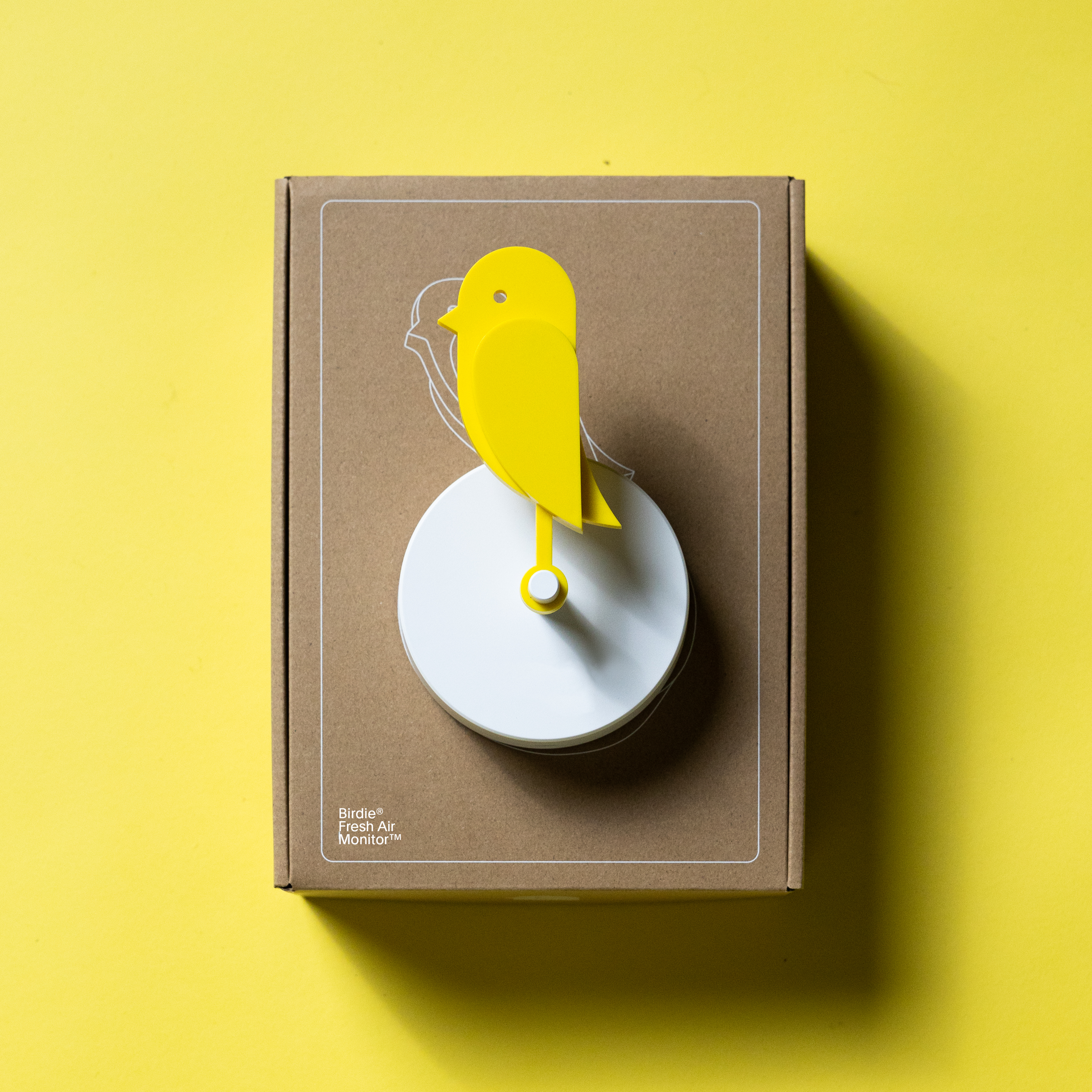
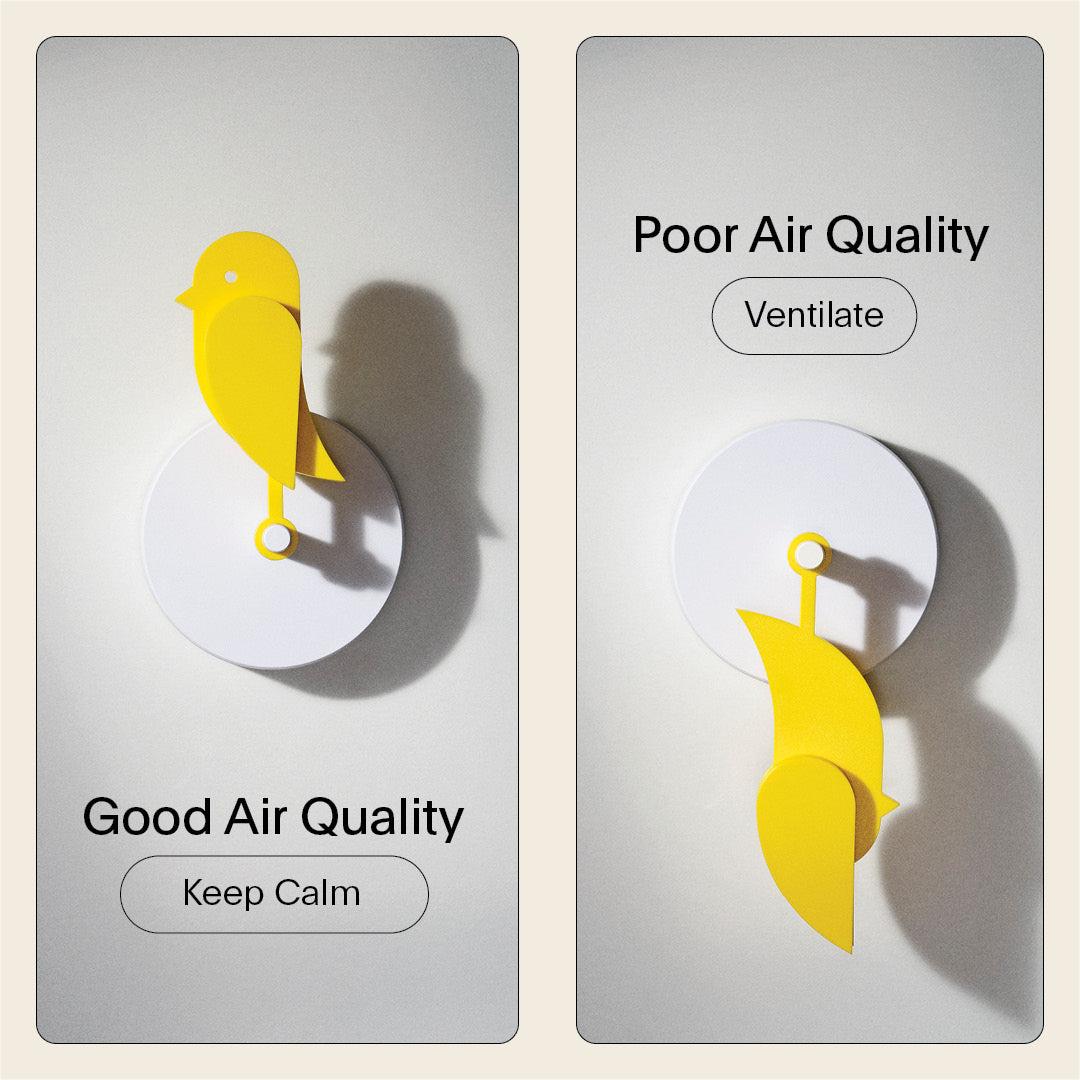
💡 Tip from Birdie: Understanding which pollen allergies effect you is half the battle, once you know what triggers you; when and where it peaks, you can still enjoy fresh air with peace of mind.